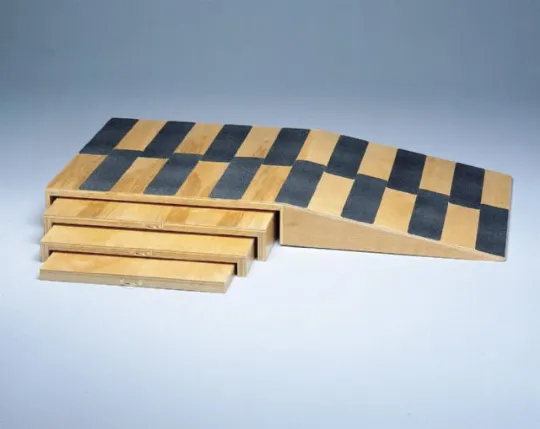
Bailey Curb and Ramp Training Stairs
Request a Quote
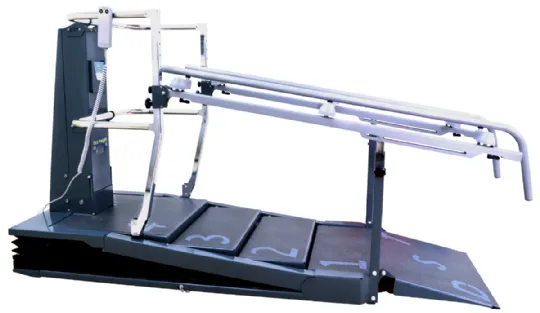
Bailey Manufacturing's Curb and Ramp Training Stairs provide a perfect practice area for wheelchair users and for those who need assistance with mobility when crossing curbs, ascending, and descending ramps. with
Request a QuoteProduct Overview
Bailey Manufacturing's Curb and Ramp Training Stairs are designed to assist users in practicing mobility skills.
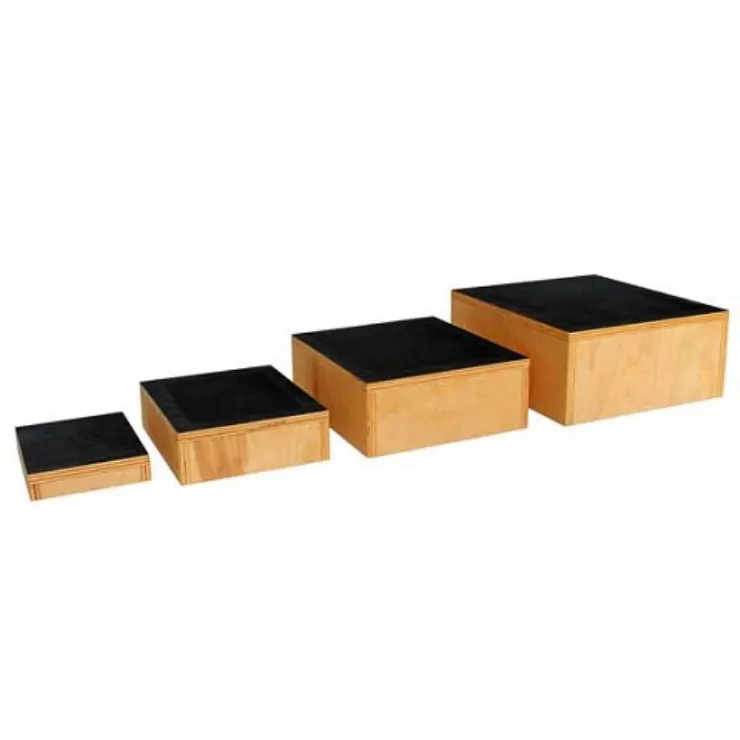
The training stairs feature durable construction, with a non-slip surface for safety during use.
The product is lightweight yet sturdy, making it easy to relocate.
Dimensions include a height of 6 inches and a width of 36 inches, suitable for various mobility training scenarios.
Applications & Use Cases
This product is ideal for wheelchair users and individuals requiring mobility assistance.
It is commonly used in hospitals, clinics, and home healthcare settings across Nairobi and other regions in Kenya.
The training stairs help users practice ascending and descending ramps and curbs safely.
Healthcare professionals can incorporate this equipment into rehabilitation programs and mobility training sessions.
Care & Maintenance
To maintain the Bailey Curb and Ramp Training Stairs, regularly inspect for wear and tear.
Clean the surface with a mild detergent and water to prevent buildup of dirt and debris.
Store the product in a dry location when not in use to prolong its life.
Ensure that the stairs are kept free from obstacles to provide a safe training environment.
Frequently Asked Questions
How much does building stairs cost?
The price to build an unfinished set of basement stairs averages $1,000 to $2,000. A set of finished stairs can cost $1,100 to $3,200, depending on how you finish them. Painting or staining the stairs can be cheaper than carpeting or using high-end materials.
What are the benefits of mobility aids?
They help reduce physical strain and fatigue, improve stability, and support daily independence. Chronic pain can make everyday tasks like shopping, cooking, or socialising difficult, so using mobility aids can help you gain more control over your daily life..
What are mobility aids for chronic illness?
There are many different types of mobility aids: canes, crutches, sit-and-stand transfer aids, walkers and wheeled walkers, manual chairs, motorized scooters, wheelchairs, and more..