Product Overview
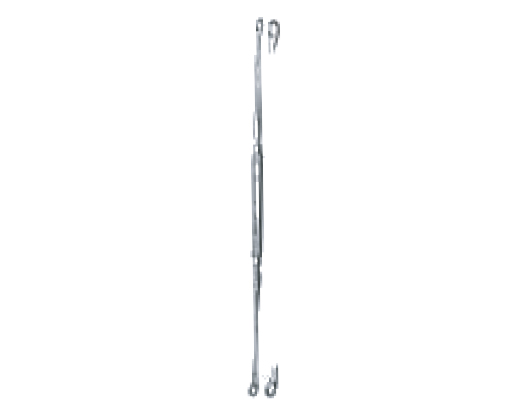
The INS39-200 Barker Curette is a specialized surgical instrument designed for precise tissue removal and scraping procedures.
It features a durable stainless steel construction that ensures longevity and reliability in various medical settings.
The curette has a curved tip for enhanced maneuverability and access to difficult-to-reach areas.
With a length optimized for ease of handling, this instrument meets the needs of healthcare professionals in Nairobi and across Kenya.
Applications & Use Cases
This Barker Curette is primarily used in gynecological and general surgical procedures for curettage and tissue sampling.
It is commonly utilized by surgeons, obstetricians, and gynecologists in hospitals and clinics throughout Kenya.
The instrument is suitable for both outpatient and inpatient settings, providing essential support in diagnosis and treatment.
Its design facilitates effective tissue management, making it a vital tool in medical practices.
Care & Maintenance
To ensure the longevity of the INS39-200 Barker Curette, clean it thoroughly with warm, soapy water after each use.
Rinse it well and allow it to air dry before storing.
Sterilization should be performed according to hospital protocols, typically using autoclaving methods.
Store the curette in a designated, dry area to prevent damage.
Regular inspections should be conducted to identify any signs of wear or damage, ensuring the instrument remains safe for use.
Frequently Asked Questions
How much are artery forceps in Kenya?
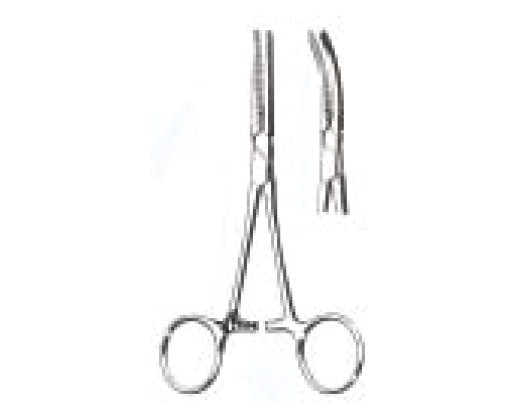
KSh 349.00. Shop surgical artery forceps for sale – precision tools for clamping blood vessels during procedures.
What are the two types of forceps?
Forceps are medical instruments that act as pincers or tweezers, used to grab, manipulate, or remove tissue or teeth from the body. They come in two basic types: locking (used as clamps in surgery) and non-locking..
What are forceps 4 uses?
Their primary purpose is to grasp, retract, or stabilize tissue. They may also be used to pack or extract sponges, pass ligatures, and stabilize and manipulate needles during suturing..
What is the common name for forceps?
Outside biology and medicine, people usually refer to forceps as tweezers, tongs, pliers, clips or clamps..