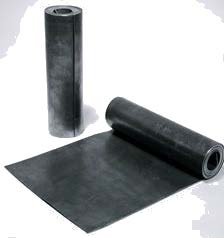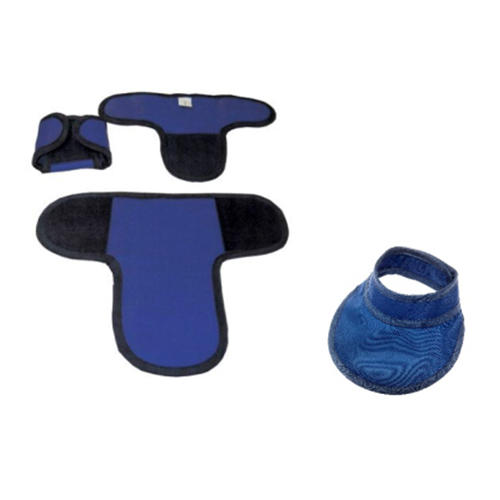

Lead Apron
Request a Quote
Lead Apron - Quality medical equipment from GM Medical Kenya
Request a QuoteProduct Overview
A lead apron is a personal protective equipment designed to shield healthcare workers from radiation exposure during medical imaging procedures.
It features a lightweight design with adjustable straps for comfort and ease of use.
The apron is available in various sizes to accommodate different body types and ensures optimal coverage.
Made with high-quality lead vinyl, it meets safety standards for radiation protection.
Applications & Use Cases
Lead aprons are used primarily in hospitals and clinics during X-ray and fluoroscopy procedures.
They are essential for radiologists, technicians, and other healthcare professionals who work with radiation.
In Nairobi and throughout Kenya, these aprons are also valuable in home healthcare settings where imaging is necessary.
Their use helps minimize radiation exposure, promoting safety in medical environments.
Care & Maintenance
To ensure the longevity of lead aprons, clean them regularly with a mild detergent and water.
Avoid harsh chemicals and excessive scrubbing that can damage the material.
Store the aprons flat or hung in a cool, dry place to prevent creasing and wear.
Regular inspections for signs of wear or damage are recommended for maintaining effectiveness in radiation protection.
Frequently Asked Questions
How much lead is in a lead apron?
Standard lead apron must provide at least 0.5 mm of lead or equivalent structural barriers (ie, a 0.2 mm lead equivalent = 1.
How much does a 2 piece lead apron weigh?
Standard lead aprons vary in weight depending on size and style, but most range between 5 and 15 lbs with the average of a frontal apron being approximately 8 lbs. Obviously, the bigger and taller you are, the larger and heavier your apron will be..
How long does a lead apron last?
Defects (cracks, tears) are assumed to appear, on average, at about 5 years. In some labs, the fabrics or stitching has torn or frayed, and requires replacement. My current lead apron is one such example (Figure 1).
Is a lead apron necessary?
Research shows there is no evidence that routine X-rays taken in a radiology department damage thereproductive organs. Therefore, lead aprons/shields are notnecessary to cover a patient's pelvis during routine X-rayexams..