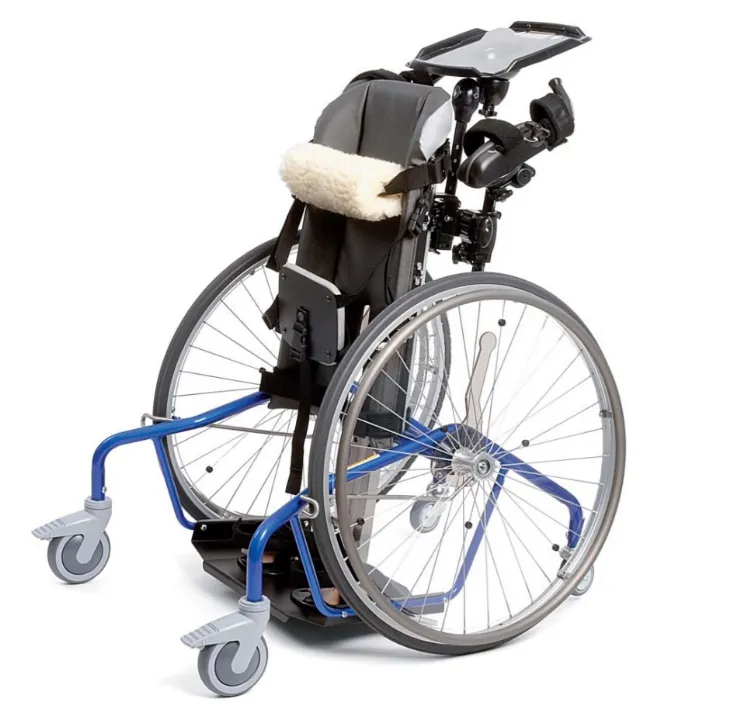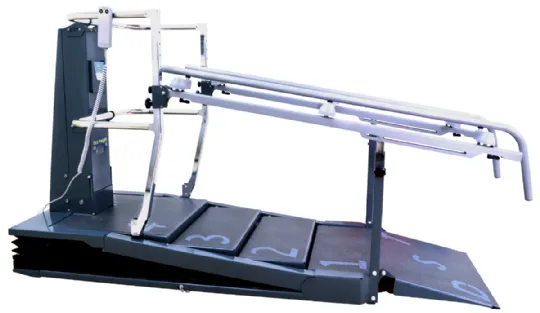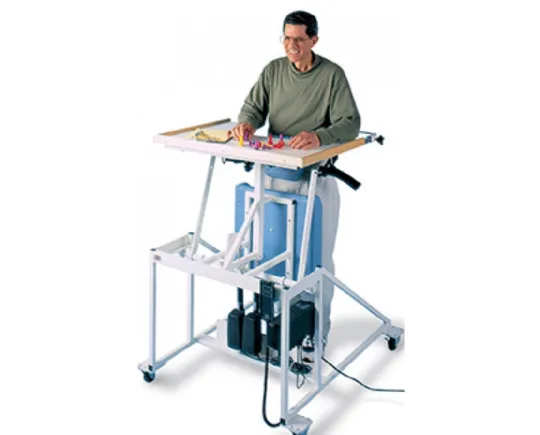
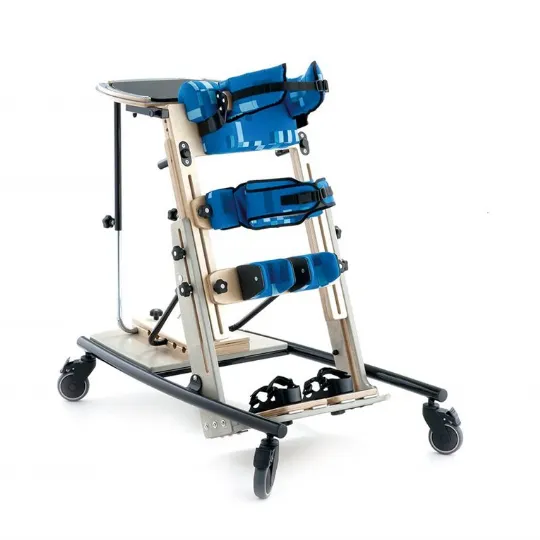
Leckey Pronestander: Inclined-to-Straight Pediatric Stander
Request a Quote
Designed to promote safe and supported prone standing for patients between the ages of 1.5 and 18 who cannot stand independently. Unique adjustment features five positions from 45 to 85 degrees for versatile standing. with FREE Shipping
Request a QuoteProduct Overview
The Leckey Pronestander is an inclined-to-straight pediatric stander designed specifically for children aged 1.5 to 18 who require support to stand.
It features unique adjustment capabilities, allowing five positions ranging from 45 to 85 degrees for versatile standing options.
Constructed with safety and comfort in mind, this stander helps promote proper posture and weight-bearing activities.
This product is available for delivery across Nairobi and other counties in Kenya, ensuring accessibility for healthcare facilities.
Applications & Use Cases
The Leckey Pronestander is used for pediatric patients who cannot stand independently, aiding in their physical therapy and rehabilitation.
It is suitable for use in hospitals, clinics, and home healthcare settings.
Healthcare professionals utilize this stander to support children with various developmental challenges, enabling them to engage in therapeutic standing activities.
Its design helps improve muscle strength and coordination, making it a valuable tool in pediatric care.
Care & Maintenance
To ensure the longevity of the Leckey Pronestander, regular cleaning is essential.
Wipe down the frame and padding with a mild detergent and damp cloth to maintain hygiene.
Inspect the adjustment mechanisms periodically to ensure they function smoothly.
Store the stander in a dry, cool place when not in use to prevent wear and tear.
Follow the manufacturer's guidelines for any specific maintenance procedures and check for any loose parts regularly.
Frequently Asked Questions
How much does a saline IV cost?
While a 1000ML bag of 0.9% sodium chloride solution is available online for just $10, even insured patients may end up paying many times more at the hospital. The most expensive state for insured patients is Oregon, where the median rate negotiated with insurers is $69.
How much is in a bag of IV fluid?
The most commonly used primary IV fluid bag contains 1,000 mL. There are also 500 mL, 250 mL, 100 mL, and 50 mL bags. The size of the primary fluid bag is based on infusion need, patient condition, and age.
How many types of infusion sets are there?
The most common types of IV sets include filtered, vented, non-vented, and gravity tubing. Each type has its unique benefits, so it's important to understand how they work so you can make informed decisions about what type will work best for your patient..