Rye Tube, Scalp Vein Set, IV Set & Infant Feeding Tubes
Request a Quote
Description Unit Brand IV Giving Sets Model 001 Piece Angletouch Measured Volume Infusion Sets [Soluset] Piece Angletouch Blood Giving Sets With Vent Piece
Request a QuoteProduct Overview
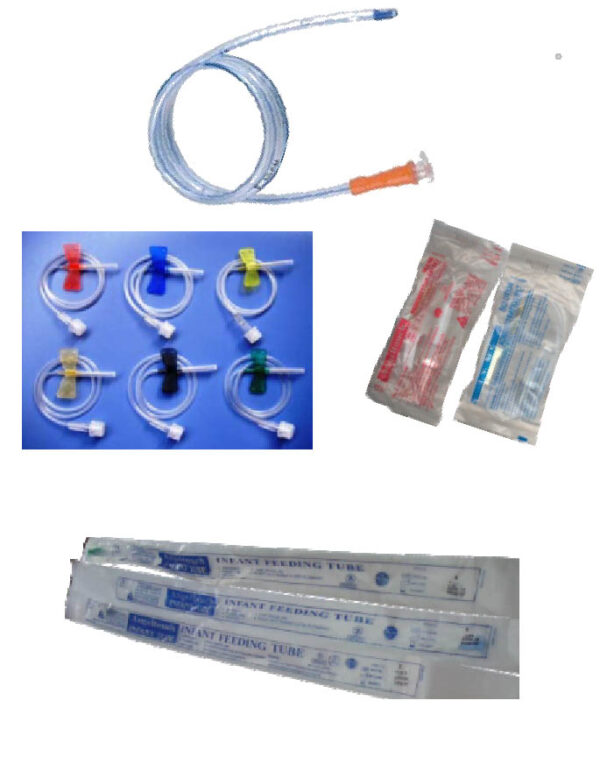
The Rye Tube, Scalp Vein Set, IV Set, and Infant Feeding Tubes are essential components for intravenous therapy.
These products are designed for efficient fluid delivery and medication administration.
Manufactured by Angletouch, they include features such as measured volume infusion sets and blood giving sets with venting capabilities.
Each unit is packaged individually to ensure sterility and safety, making them suitable for various medical settings.
Applications & Use Cases
These infusion sets are primarily used in hospitals, clinics, and home healthcare environments across Kenya.
Healthcare professionals, including nurses and doctors, utilize them for administering medications and fluids to patients of all ages.
The sets are suitable for both adult and pediatric use, including infants, ensuring versatility in patient care.
They are especially valuable in emergency situations and routine treatments.
Care & Maintenance
To maintain the integrity of the Rye Tube and infusion sets, store them in a cool, dry place away from direct sunlight.
Always check the expiration date before use and avoid using damaged packaging.
After use, dispose of the sets according to medical waste regulations in Kenya.
Regular training on proper handling and disposal is advised for healthcare workers to ensure safety and compliance with health standards.
Frequently Asked Questions
How much does it cost to get a feeding tube?
On MDsave, the cost of a Feeding Tube Placement (PEG) ranges from $2,017 to $4,930..
Is it painful to get a feeding tube?
You might have some discomfort or pain when you first get your feeding tube. Other possible side effects include: Irritation to your nose or the lining of your digestive tract. Nausea, cramps, or stomach problems, such as diarrhea or constipation.
How long do feeding tubes stay in?
Healthcare providers usually recommend feeding tubes that go in through your nose and down into your stomach or small intestine if you'll need one for less than four to six weeks. Or, they may recommend a tube that goes in through your nose to see if your body can tolerate the feeding tube formulas..
Can I get a feeding tube at home?
Your healthcare professional might suggest tube feeding if you can't eat or drink enough to get the nutrients you need. Tube feeding outside a hospital is called home enteral nutrition (HEN). A HEN care team can teach you how to feed yourself through a tube.