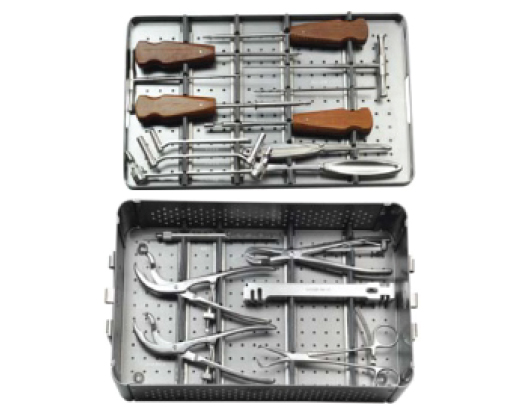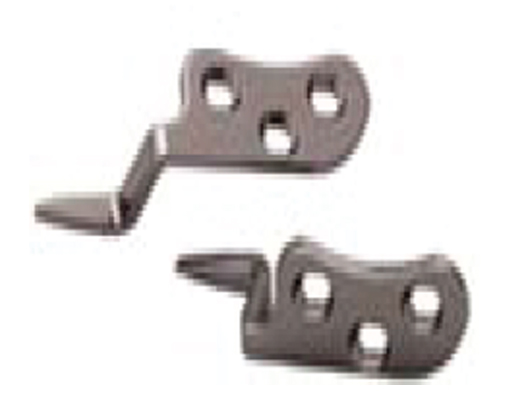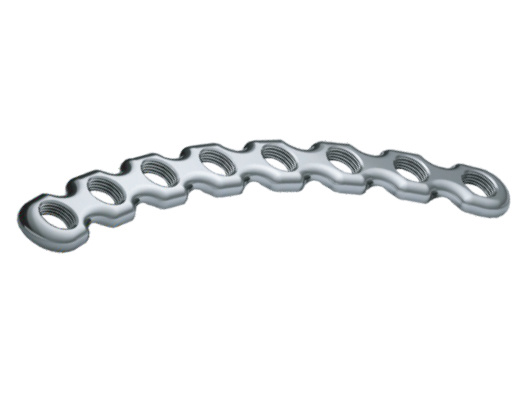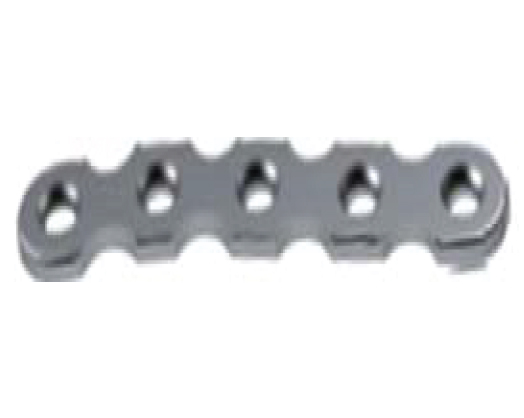
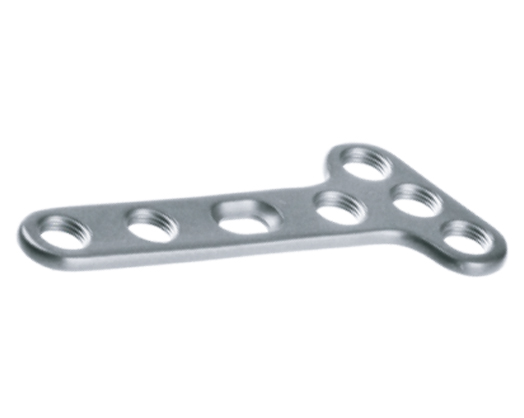
Trauma_LCP Systems (Titanium) Volar Distal Radius Locking Plates (Small),Combined-lock
Request a Quote
Application:Fractures of the distal radius (applied to the volar aspect). Spec 50mm*3holes-114mm*8holes Material: Titanium Matching Screw: :Φ3.5 Cortical Sc
Request a QuoteProduct Overview
The Trauma_LCP Systems (Titanium) Volar Distal Radius Locking Plates are designed for orthopedic applications.
These plates are specifically crafted for the treatment of distal radius fractures, applied to the volar aspect.
They come in sizes ranging from 50mm with 3 holes to 114mm with 8 holes.
Made from durable titanium, they provide strength and biocompatibility.
Matching screws are available with a diameter of 3.5mm for cortical support.
Applications & Use Cases
These locking plates are primarily used by orthopedic surgeons in hospitals and clinics across Kenya.
They are suitable for the fixation of distal radius fractures in adult patients.
The plates are also applicable in home healthcare settings, where post-operative recovery may require specialized support.
County-wide delivery ensures accessibility for healthcare facilities in Nairobi and beyond.
Care & Maintenance
To maintain the integrity of the Trauma_LCP Systems, clean the plates with a sterile solution before and after use.
Inspect for any signs of damage or wear regularly.
Store the plates in a dry, controlled environment to prevent corrosion.
Ensure that all screws are properly secured and compatible before application.
Follow standard sterilization procedures as per hospital protocols to ensure patient safety.
Frequently Asked Questions
What is a volar plate of distal radius?
Volar buttress plates are the traditional plate designs used to treat distal radius volar shear fractures and can be used with or without screw fixation in the distal fragment. Because the screws are not locked in the plate construct, they do not resist angular motion effectively..
What plates are used for distal radius fracture?
The volar locking plate has emerged as the most preferred implant for internal fixation of distal radius fractures. Design modifications and features allow for most distal radius fractures to be treated using this implant, although some fracture patterns require specific implants like dorsal or radial styloid plates..
What are the complications of volar locking plate?
Hardware-related complications include malunion, screw loosening, and loss of reduction, among others. In addition, complications such as infection, hematoma, and wound dehiscence can occur with any surgical procedure, as well as many other less frequently reported sequelae..
What is the principle of volar locking plate?
Volar locking plates mechanically bridge the fracture acting as a load-bearing implant (internal fixator) with a lower incidence of failure. The subchondral placement of the distal screws is essential to support the articular surface and prevent loss of reduction..