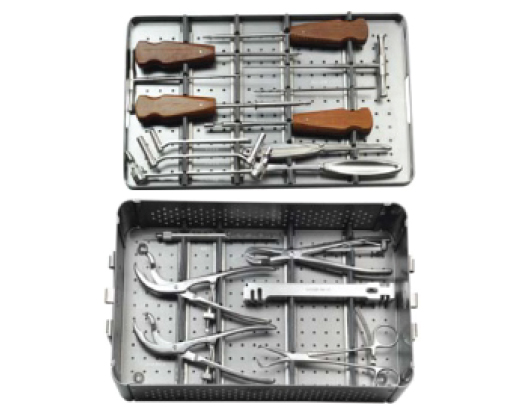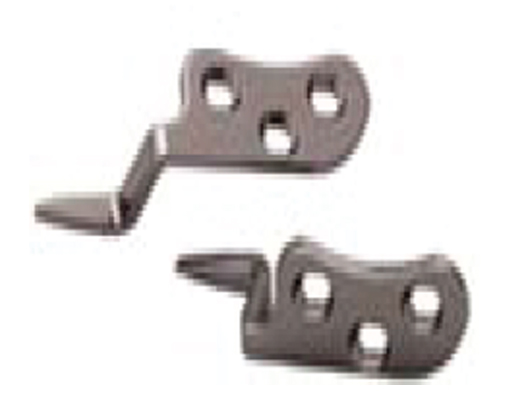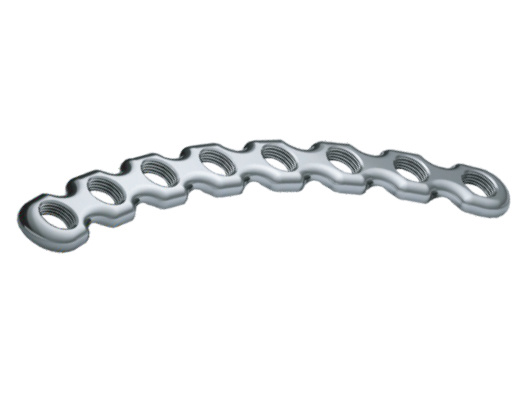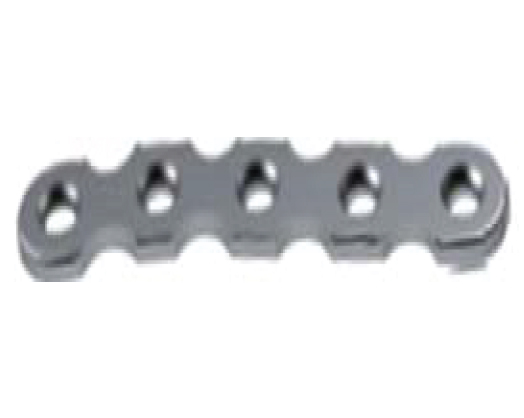
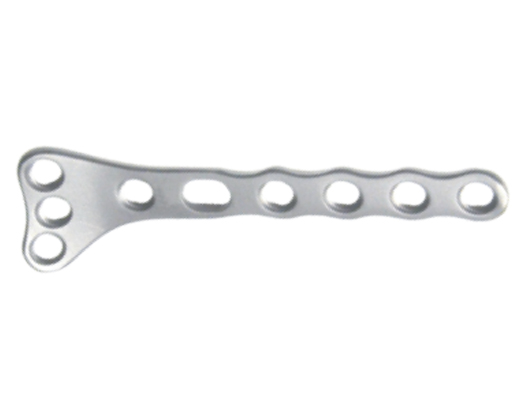
Trauma_LCP Systems (Titanium) Volar Distal Radius Locking Plates (Anatomic)
Request a Quote
Application: Fractures of the distal radius (applied to the volar aspect) Spec 50mm*3holes-105mm*8holes Material: Titanium Matching Screw: Φ3.5 Cortical Scr
Request a QuoteProduct Overview
The Trauma_LCP Systems (Titanium) Volar Distal Radius Locking Plates are designed for stable fixation of fractures in the distal radius.
These anatomically contoured plates ensure optimal fit and alignment during the healing process.
Each plate is available in sizes ranging from 50mm with 3 holes to 105mm with 8 holes.
Made from high-quality titanium, they provide strength without adding significant weight, ensuring durability in surgical applications.
Applications & Use Cases
This product is used primarily for treating fractures on the volar aspect of the distal radius.
It is suitable for orthopedic surgeons and medical professionals in hospitals and clinics across Nairobi and other regions in Kenya.
The locking mechanism allows for secure screw placement, making it ideal for complex fractures.
Additionally, it can be utilized in home healthcare settings where mobility and support are needed during recovery.
Care & Maintenance
To maintain the integrity of the Titanium Volar Distal Radius Locking Plates, clean them with a mild detergent and water after use.
Avoid abrasive materials that could scratch the surface.
Store in a cool, dry place to prevent corrosion or damage.
Regularly inspect for signs of wear or contamination, especially before surgical use.
Proper care ensures longevity and reliability in clinical applications throughout Kenya.
Frequently Asked Questions
What is a volar plate of distal radius?
Volar buttress plates are the traditional plate designs used to treat distal radius volar shear fractures and can be used with or without screw fixation in the distal fragment. Because the screws are not locked in the plate construct, they do not resist angular motion effectively..
What plates are used for distal radius fracture?
The volar locking plate has emerged as the most preferred implant for internal fixation of distal radius fractures. Design modifications and features allow for most distal radius fractures to be treated using this implant, although some fracture patterns require specific implants like dorsal or radial styloid plates..
What are the complications of volar plating distal radius?
Hardware-related complications include malunion, screw loosening, and loss of reduction, among others. In addition, complications such as infection, hematoma, and wound dehiscence can occur with any surgical procedure, as well as many other less frequently reported sequelae..
What are the different types of plates in Kenya?
In Kenya, number plates are issued by the Registrar of Motor Vehicles and include five types: civilian, GK, parastatals, local authorities, and diplomats..